

The Heroic Path Update (What Wasn’t Working and What We Changed)
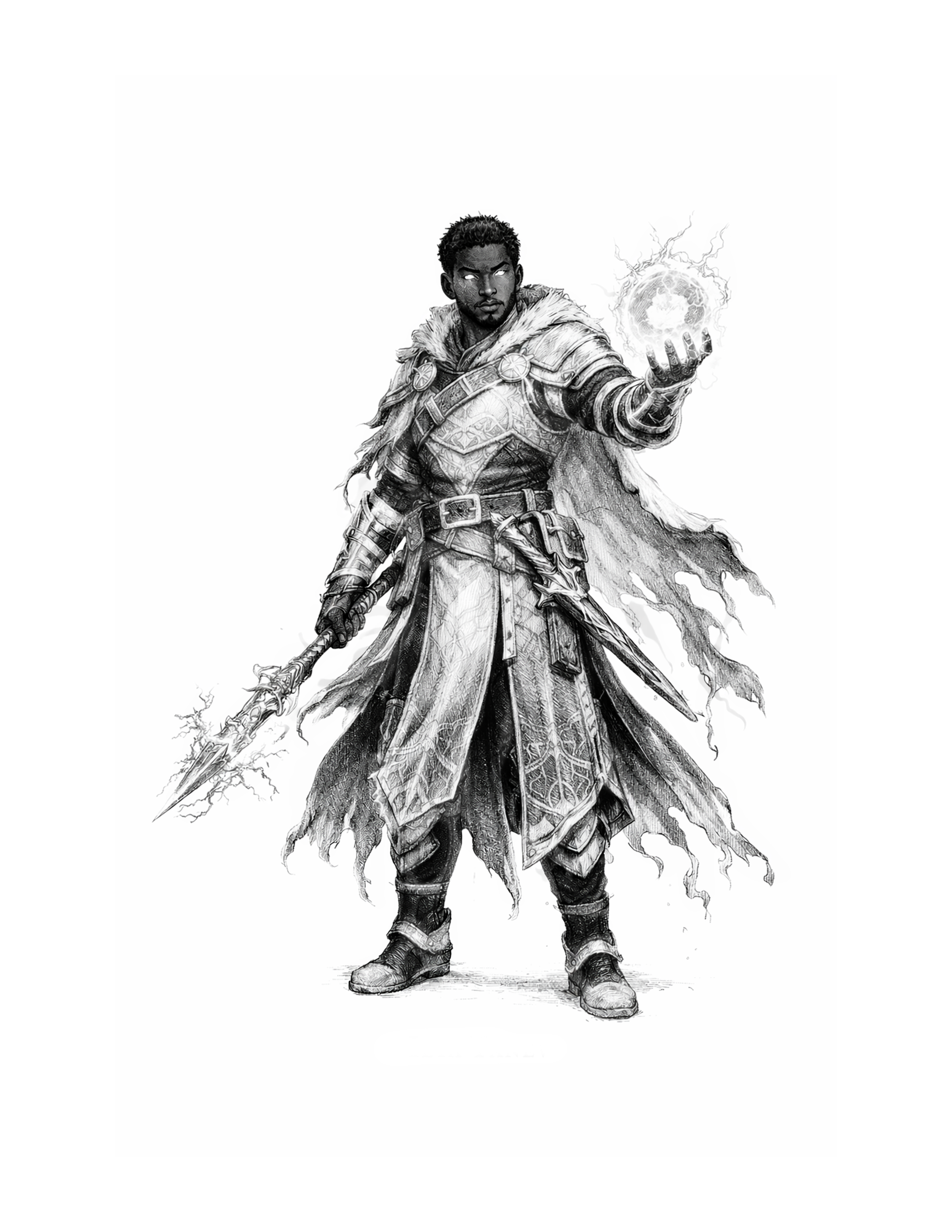
Aetherian Human Magician
Heroic Paths were never just built to be classes.
That was never the point.
From the start, they were built off anime archetypes. Not because they all fight the same, but because they all bring a distinct energy. A distinct way of solving problems. A distinct presence. That has always been part of Fatefully Tragic Hero’s DNA.
And they were also built to open up playstyles. And for the most part, that worked.
But as internal testing kept going, as convention play kept happening, and as our test campaign kept giving us more and more real table data, a few things became impossible to ignore. Some Heroic Paths were landing exactly how we wanted. Some needed a closer look. And one of them, without question, needed more than a few tweaks.
So that is what this update is about.
Why the Underdog moved. Why the Magician got rebuilt from the ground up. Why the Wayfinder’s companion became something much deeper. And why the others, overall, are in a good place right now.
The Underdog
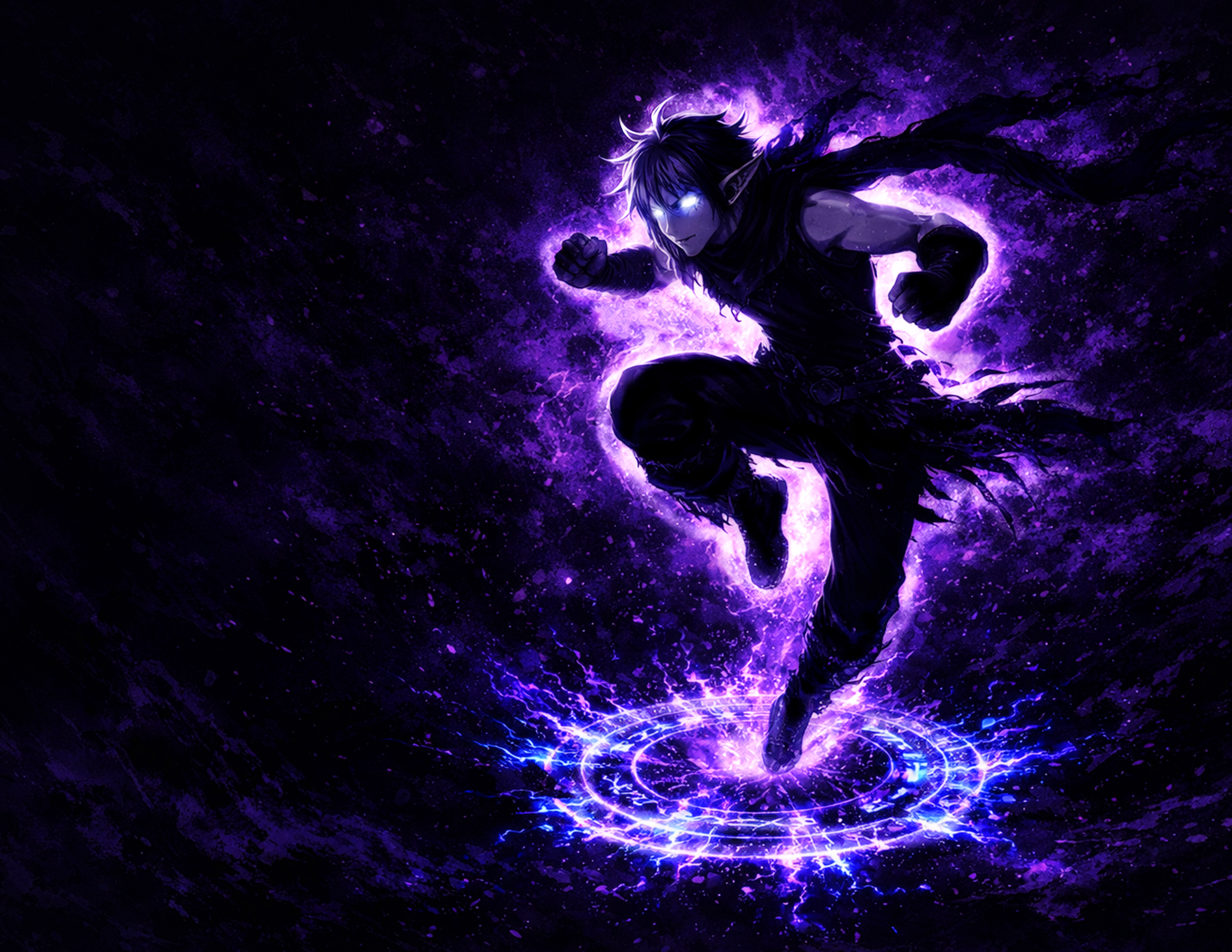
The Underdog by Riley M
The major change for the Underdog was moving it from Stalwart to Speedy.
Honestly, this was overdue.
When it was first classified as Stalwart, part of that was to help balance the initiative types. On paper, that made sense. But over time, it became clear that what looked right on paper was not matching what was actually happening in play.
That previous update to its talent, Up and At ’Em, changed how the path played from top to bottom. Once that mobility came online, the path stopped feeling like someone who planted their feet and took the hit. It started feeling like someone who launched themselves into the fight and kept moving. Aggressive. In your face. Pushing forward. Exactly how an Underdog should feel.
And that was not just something we saw internally while designing. That is how people actually played it.
In internal testing, and even at conventions, players kept being aggressive with the Underdog. They got in close. They pressured enemies. They played it like a traditional shonen hero. The kind of character who probably should not be winning, but is absolutely going to sprint straight at the problem anyway.
And the answer was clear. It was not playing like a Stalwart anymore. It was playing like a Speedy Initiative type would.
More than that, Speedy fit its boons and banes better too. The whole thing just lined up more naturally. The role, the flow, the feel, the way players approached it. All of it.
So that change was made.
The Magician
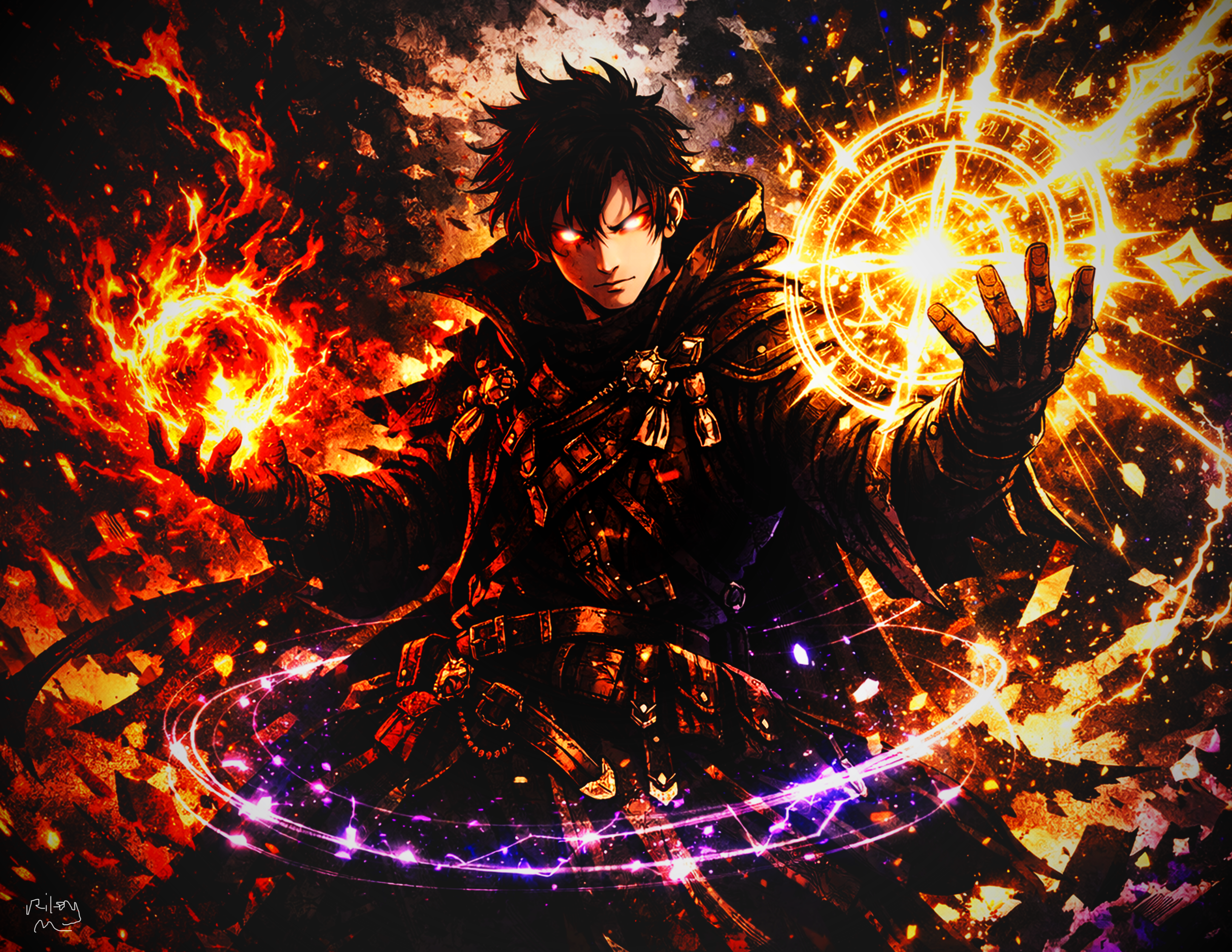
The Magician Heroic Path by Riley M
Now the big one.
The Magician changed because internal testing, and even test campaign play, revealed something we could not ignore. It was not only the weakest chosen Heroic Path, it was also the least picked. That forced us to really stop and look at it.
Unlike the Sentinel and some of the other Heroic Paths, we came to the conclusion pretty fast that the Magician could not be fixed with small tweaks. This was not a numbers issue. It was the build itself.
Its talent rarely got used. Its technique even outshined it. Furthermore to get to it’s burst arts, it needed momentum. And that was a hard feat. Even with passive momentum.
Passive Momentum wasn’t working either. It either was not being gained, or when it was, it felt so awkward and outside the box that it gave the player no clear direction. Even the Limit Breaker, once we stepped back and compared it to the others, felt too restrictive. Useful, yes. But compared to the others, it rarely was used or shined.
So we asked the real question. How do we approach this? What would actually make it feel like a mage?
That is where we landed on Catalysts. And once we landed there, everything started clicking.
In the vein of older RPGs, the idea was simple. By accessing rotating magical Catalysts, the Magician would not only have more options, but a stronger identity. It would let players customize how their Magician played instead of funneling them into one narrow expression of the path. More than that, it opened up the kinds of Magicians players could actually build.
That was the breakthrough.
So we landed on five Catalyst directions: Elemental, Terra, Light, Sound, and Sense.
Now suddenly the Magician had room to breathe. Want to lean into the classic mage fantasy with fire, ice, and lightning? You can. Want something more earthbending-inspired, but on a smaller scale? Terra gives you that. Want to manipulate light? Distort sound? Play with magical perception and awareness? Now you can do that too.
And that mattered. A lot.
Because before, the Magician had magic, sure. But it did not have enough direction. It did not have enough shape. It did not have enough play identity. Now it did.
Magicians start with two Catalysts they can move between freely. Then as they level, that number increases. More options. More flexibility. More ways to define what kind of mage you are.
We still kept Aetherweave, because that idea of a magical field forming around the Magician while accessing these powers still felt right. That part always had something to it. It belonged. But now it belonged to something with a much stronger center.
And once that change was made, the passive momentum had to change too.
Because if the Magician now had a real identity, then its passive momentum needed to reflect that identity. It needed to feel natural. It needed to reward the actual use of your Catalysts. It needed to support the play pattern instead of floating beside it. So that got reworked too.
Then there was the Limit Breaker.
And this was another place where we felt the old version was just too boxed in. It did something useful, but it wanted to be used one way. That was the problem. So we opened it up.
And this was another place where we felt the old version was just too boxed in. It did something useful, but it wanted to be used one way. That was the problem. So we opened it up.
Now it has more utility. More offensive potential. More defensive potential. More room for creativity.
Need to get out of dodge? You can do that. Need to reposition the field? You can do that. Want to do something nasty and clever with enemy placement? You can do that too. Need to kidnap an enemy? Go for it. The point was to stop the Magician from feeling like a narrow spell package and start making it feel like what it should have been from the start: a path built on possibility.
That was the goal here. Not just to make the Magician stronger.
To make it finally feel like a mage.
The Wayfinder
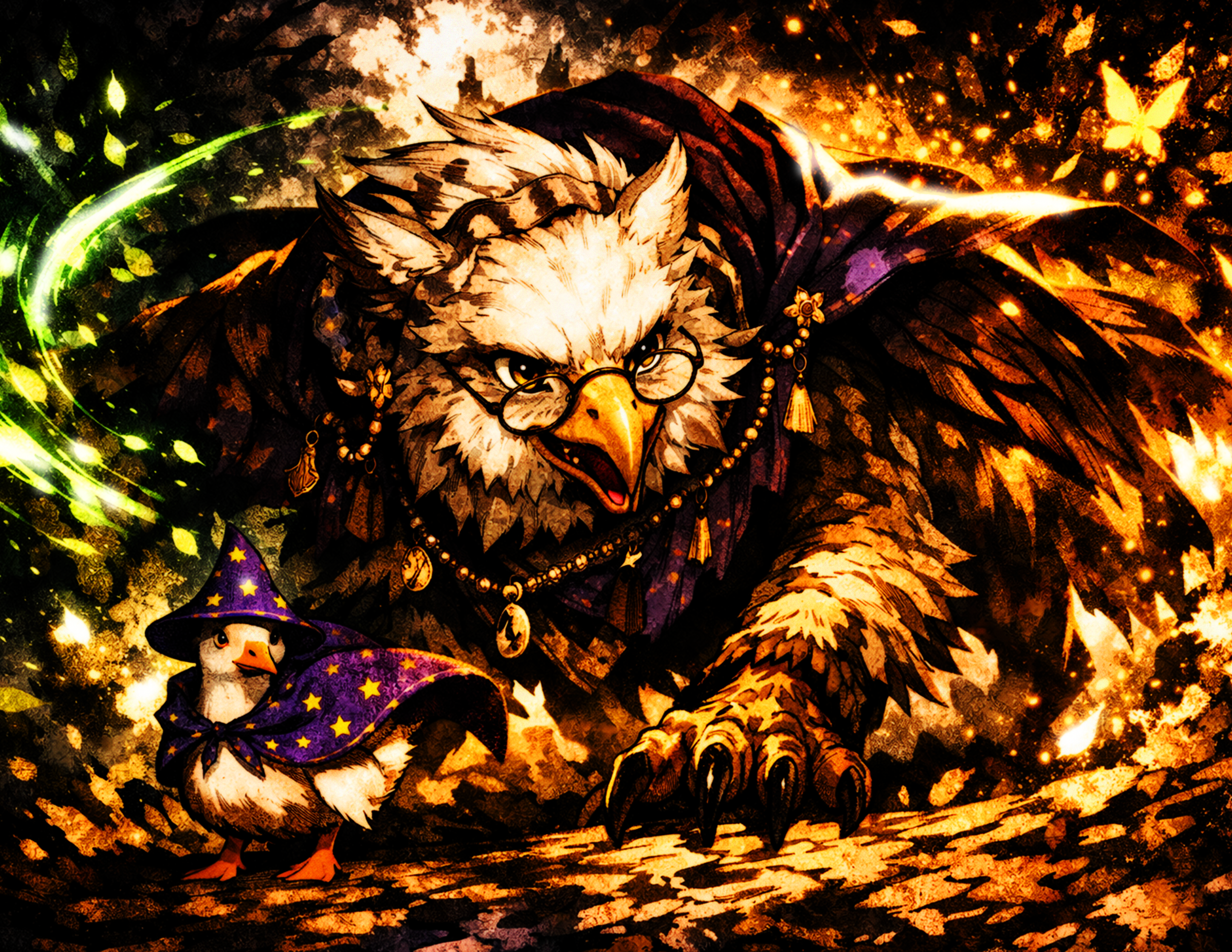
Wayfinder and their Companion by Riley M
Then there is the Wayfinder.
And the Wayfinder is interesting, because unlike the Magician, it was actually well liked. People liked the companion. People liked the fantasy. The issue was not that the path was failing in concept.
The issue was payoff.
Compared to the utility and scale of other talents, the companion just did not stand out enough. It did not feel powerful enough to justify how central it was to the path. For something that important to the Heroic Path’s identity, it needed to hit harder. Not just numerically, but emotionally and mechanically.
So we dissected it.
And then something hit me.
I kept thinking back to all those years in D&D of players using their pets and familiars for traps. Sending them ahead. Throwing them into danger. Treating them like disposable tools. Every time, it bothered me. Why have one if the relationship means nothing? What kind of bond is that?
That was the answer.
Bonding.
If player characters grow stronger through emotional bonds, then why would the Wayfinder not be built through that same lens? Why would the companion not grow stronger the closer you became? Why would that trust not matter mechanically? And if it dies, why would that not matter too?
That idea changed everything.
Instead of the companion just being a useful extra body, it became something more personal. More central. More earned. The closer your bond became, the stronger it became. That meant it was no longer something you threw into the fray to die to a trap room. It became something you wanted to protect, invest in, and grow with.
And even after that clicked, it still felt incomplete.
Why not let it grow stronger not just in abilities, but in overall essence? These are magical creatures formed by your bond and godforce. Magic in Aetheria is malleable. So why shouldn’t that relationship evolve into something greater over time?
During this same period, I was working on future Kickstarter content for launch later this year. I had been toying with a Beastmaster-like Heroic Path, but no matter how much I worked at it, it never felt complete. Something about it just would not click. But there was one part of that design space that kept holding on: the idea of growth. Not just of yourself, but of the creature tied to you.
So we took that idea and gave it to the Wayfinder.
And it clicked.
Now, at pivotal levels, the companion can change and grow into one of three forms. Stalker for a more aggressive route. Warden for a more defensive one. And Skyrunner for a more mobile, mixed option. Then later, it reaches its apex form.
That made the whole path come alive.
Lastly, the cherry on top was temperament. When the companion is initially called, the player rolls to determine its temperament. That helped make each one feel more distinct from the start.
And honestly, internal testing proved it.
It felt substantial. It felt much better as a Heroic Path. More than that, the companion stood out. It started stealing moments. It started creating moments. In our current test campaign, a front-door goose in a wizard cloak and hat has already led to emotional beats and absolute laughter.
That is exactly what I want.
Not just usefulness. Not just power. Presence.
Because of all of this, the Wayfinder now needs its own sheet. It is the first and only Heroic Path to require a separate sheet, and that felt right. Once more players get it to the table, I think they are going to agree.
The Others, and One We’re Still Watching
Now with all that said, the paths overall are feeling balanced.
Sentinel feels good. Freelancer feels good. Underdog now feels properly slotted. And Maverick is the one I keep circling back to.
Not because I think it is broken. Not because I think it is a mess. But because I genuinely want more eyes on it.
So let me ask directly.
Do you think the Maverick is underpowered, or do you think it is just being overlooked?
Reach out and let us know.
Because feedback like that matters. A lot of these changes did not come from us staring at a page and theorizing. They came from watching what actually happened when people played. What felt good. What did not. What landed. What got ignored. What was fun in concept, and what was fun in reality.
What’s Next
In the meantime, check out the updated Wayfinder or the rebuilt Magician and let us know what you think.
And if you want to see another way all of this comes together in practice, check out the Build a Character spotlight with Aang from Avatar: The Last Airbender.
See you on the next update.
Jordan
Co-founder and Lead Designer
Cinderlight Games